The research-first approach
didn't start with the studio.
Where it starts.
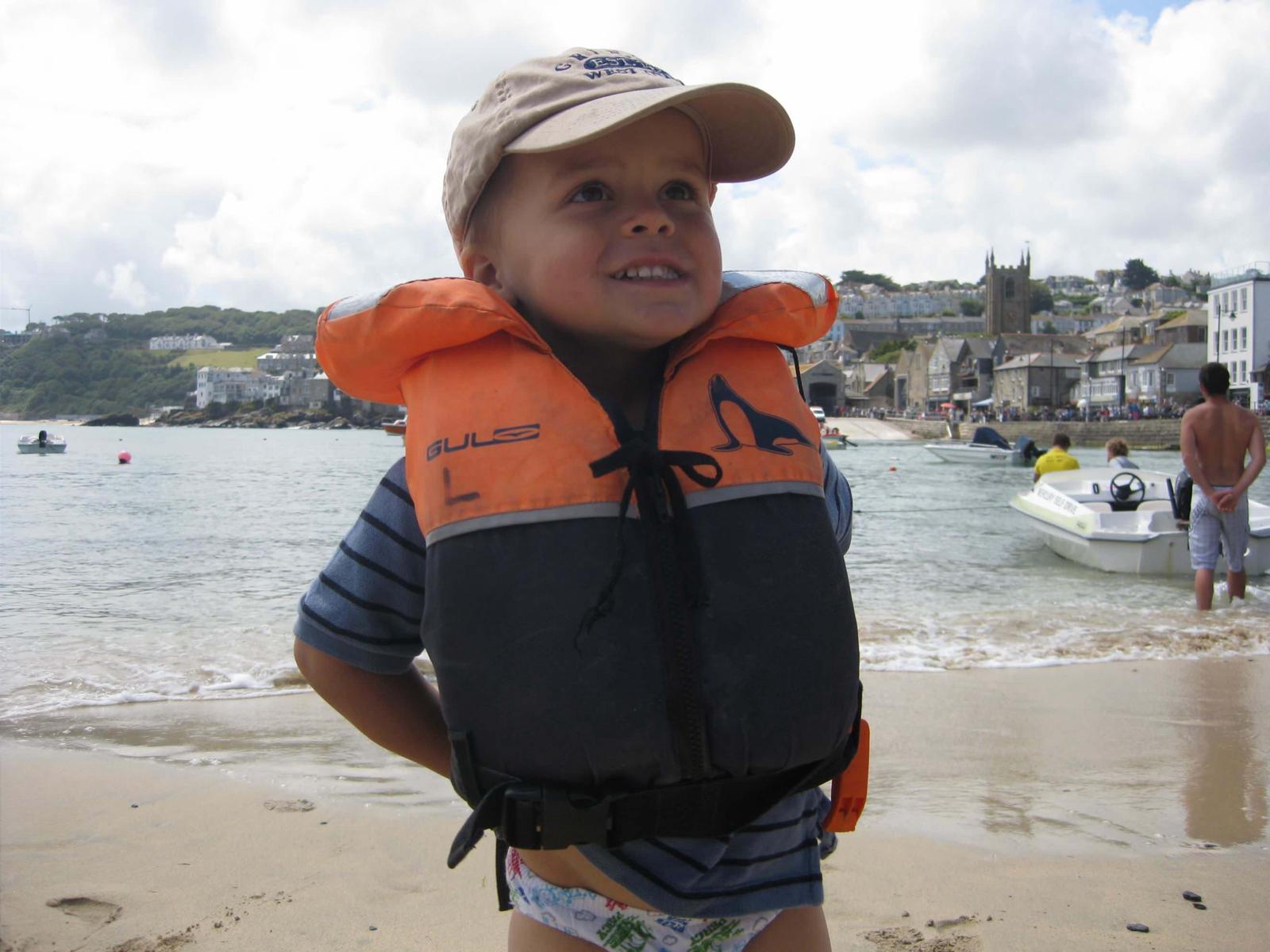
There are around 1,400 independent businesses in Cornwall. Most were built by people who are genuinely good at what they do. Most are nearly invisible online.
Born in Bath. Moved here at eight months old. Grew up in these towns, around these businesses — the particular quality of what people build in this county. Left at seven. Didn't know yet what leaving would teach me about the place.
The first gap.
We visited what described itself as an elephant sanctuary. The website said the animals lived in freedom. The reviews were excellent. Celebrity visitors had posted photographs.
When we arrived, the elephants were chained. Hooks were used to control them. We watched them paint and perform tricks.
I went home and researched it. The truth was consistent and documented: 75% of wildlife tourist attractions have a negative impact on the animals they claim to protect. The positive reviews weren't lies — the visitors genuinely didn't know. The surface looked right. The reality underneath was entirely different.
That gap — between what's visible and what's true — was the first thing I ever found worth investigating seriously.
"One of the best things we did in Bali. The elephants were so calm and gentle — our youngest was nervous at first but they warmed up immediately. You can really tell they look after them properly here. The whole experience felt ethical and special. Will recommend to everyone."
Bali
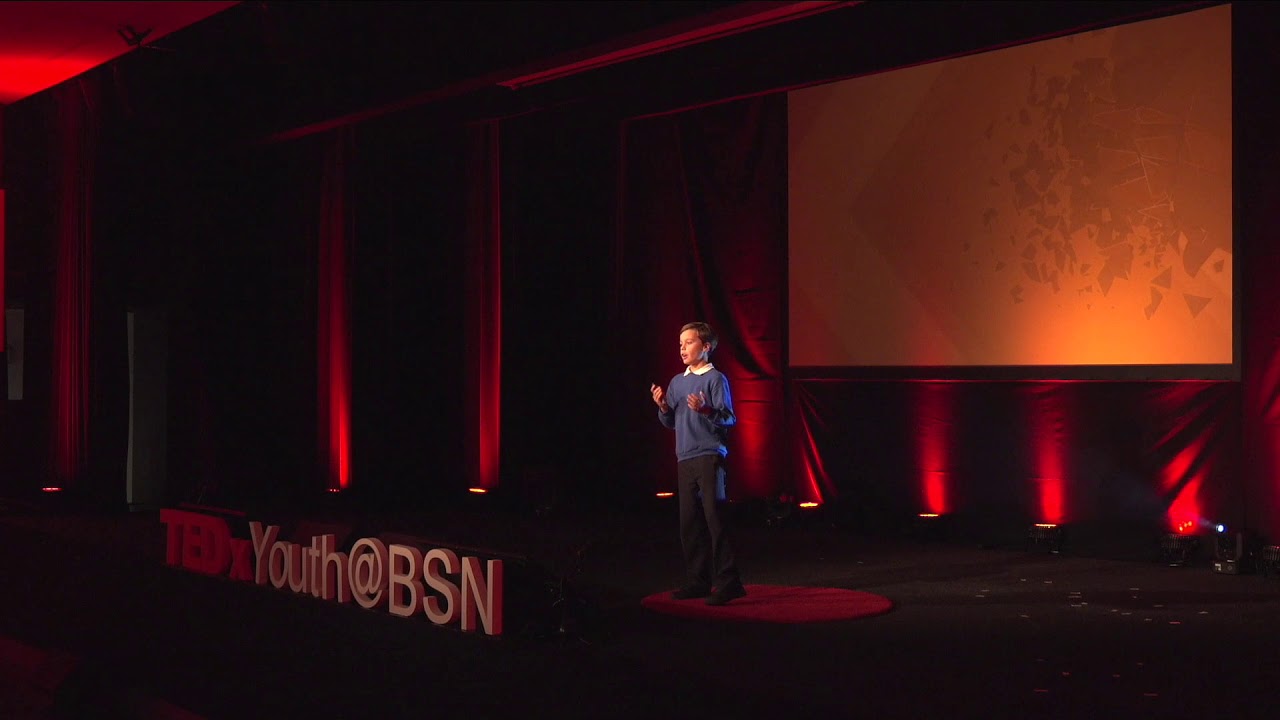
I gave a TED talk about what I'd found. Specifically about the mechanism: social media amplifying the surface of animal tourism while the reality underneath stayed hidden. Three and a half billion images shared daily. A 300% rise in animal selfies since 2014. The appearance of ethical experience, built and distributed by people who had no idea.
I was twelve. I had identified a systemic problem, researched it properly, and said it publicly.
The mechanism was the same. The direction was reversed.
This is not a story about animal tourism.
It's a story about the gap between what's real and what's visible.
Your business has that gap.
Learning to see contrast.
Six years outside Cornwall. China first — cities at a scale Cornwall will never be, everything visible, everything present. Then the Netherlands — well-run, community-minded, businesses that present themselves in proportion to what they actually are.
You can only see a gap clearly if you've stood somewhere the gap doesn't exist. That's not a theory. It's what six years away from Cornwall taught me. When I came back in 2023, the gap was obvious — not because something had changed here, but because I'd seen what it looks like when it's working.
The research.
Before Verne Studio took its first brief, I spent eight weeks documenting 50 independent businesses across 19 Cornish towns. Not as a marketing exercise. As research — what they have, what they're missing, what the pattern looks like when you map it honestly.
The pattern was consistent. Fourteen years of operation, no website. A Michelin Bib Gourmand, a placeholder site that mentions neither the award nor the chef. A pre-war family recipe, national television coverage, nothing online. These aren't isolated failures. They're the same gap I first identified in an elephant sanctuary in Bali — between what's real and what's visible.
The research came before the studio did. Most studios start with a client. This one started with a question.
Now.
One hundred independent businesses are documented in the Cornwall Index. More are added every week. The first was Jelbert's Ice Cream, Newlyn — in the index before we'd spoken a single word. The site is live at jelberts.co.uk.
If your business is in Cornwall, it's probably already in the Index. If you'd rather be working with me than just documented by me —